AfricaTransformational Initiative
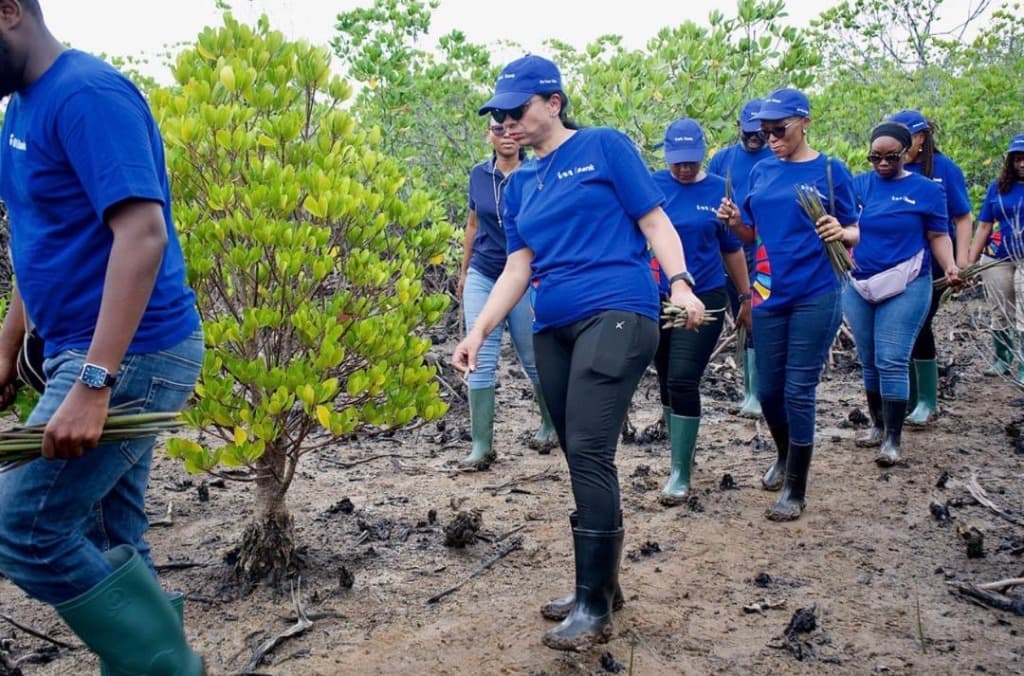
A planting team walking through a mangrove flat at Kigamboni carrying seedlings

Ongoing project

Kigamboni Mangrove Restoration

Kigamboni District, Dar es Salaam · 2025–present

Ongoing project

Conservation & Restoration · Kigamboni District, Dar es Salaam

Why mangroves matter

The project

Mangroves do more work per acre than almost any other coastal habitat. Their root systems are a nursery for fish and crustaceans, which makes them the base of the local marine food chain and of the fishing economy that depends on it.

They also hold the shoreline together. A mangrove belt absorbs wave energy and storm surge, traps sediment, and slows the erosion that otherwise takes coastal land a metre at a time. And they store carbon in their soils at a density that terrestrial forest does not match.

ATI is restoring degraded mangrove ecosystem at Kigamboni, on the coast south of Dar es Salaam, working with the communities who live alongside it.

20,000+
Mangroves planted
Kigamboni
Dar es Salaam, Tanzania
Women-led
Community planting teams
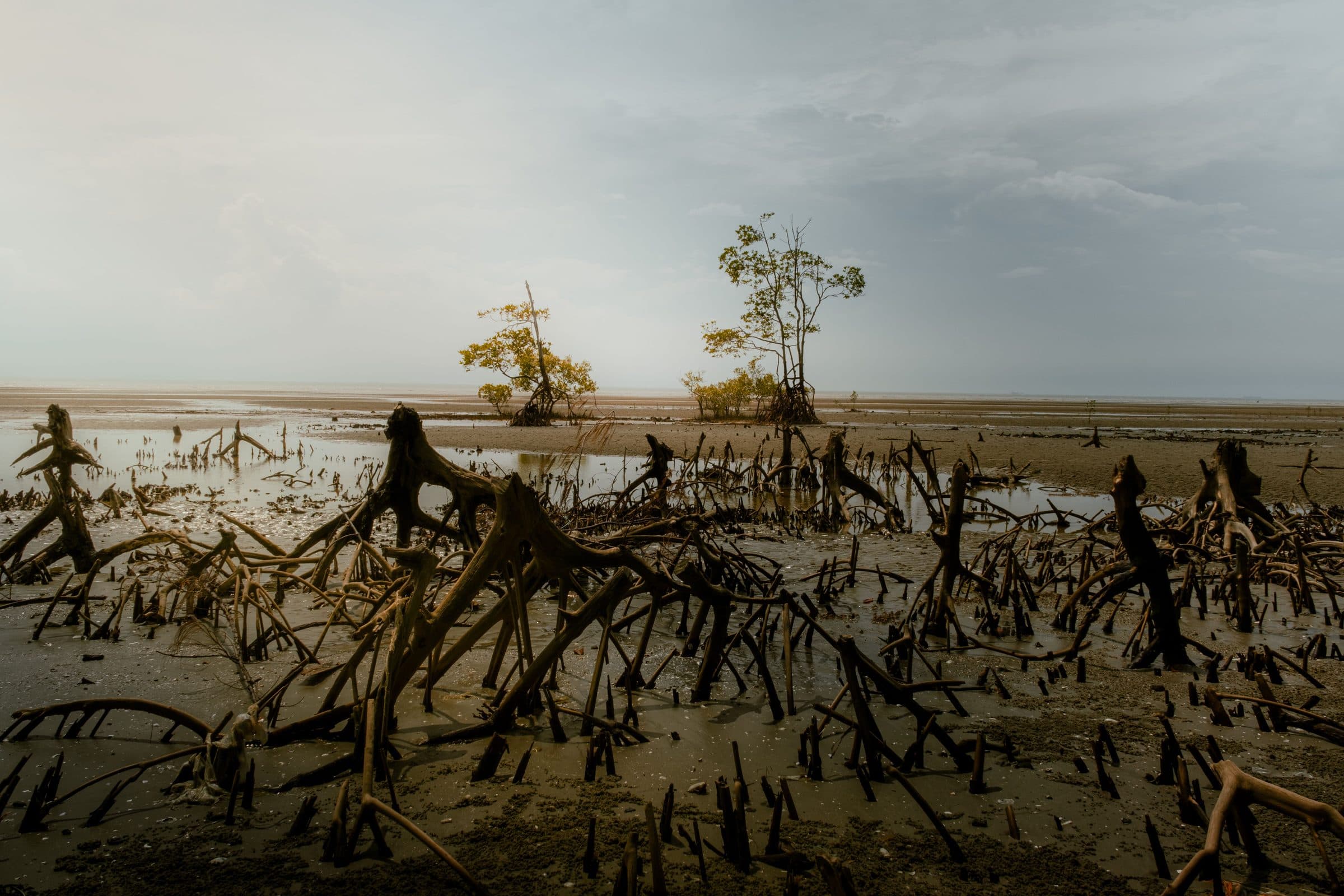
Dead mangrove root stumps across grey tidal flats at low tide under an overcast sky

Degraded mangrove flats. This is what the work starts from.

The challenge

Coastal degradation. Mangrove forest is cleared for fuelwood, construction material, salt production and development. What replaces it is bare tidal flat that supports almost nothing.

Ecosystem loss. When the root systems go, so do the nursery grounds. Fish stocks fall, and the households that depend on them lose income, which increases the pressure to cut what is left.

Climate resilience. Without a mangrove belt, the coast absorbs storm surge directly. Erosion accelerates, saltwater moves further inland, and land is lost permanently.

Biodiversity. Mangroves support species found nowhere else on the coast, and they support the marine and bird life of the wider system around them.

Our approach

Planting alone does not restore a mangrove forest. Seedlings put into the wrong zone, or left unmaintained through their first seasons, do not survive. ATI's approach is built around that reality.

Restoration. Sites are surveyed before planting so species and zone are matched to tidal conditions.

Planting. Community teams plant by hand, timed to the tide, in cohorts that can realistically be maintained.

Community engagement. The people who live on the coast are the ones who protect it day to day. Restoration runs alongside ATI's eco-briquette work, which offers an alternative fuel source and reduces the pressure to cut mangrove for charcoal.

Long-term stewardship. Sites are monitored and replanted where establishment fails, through a community-accessible monitoring system designed to meet recognised monitoring, reporting and verification standards. That responsibility does not expire.

Project journey

Five stages of the work

These are stages of an active project, not a completed sequence. Planting continues while earlier cohorts are still establishing.
  1. 01

    Site preparation

    Surveying degraded tidal flats, identifying viable planting zones, and agreeing site access and stewardship with the surrounding community.

  2. 02

    Planting

    Community planting teams place mangrove propagules and seedlings by hand across prepared zones, timed to the tidal cycle.

  3. 03

    Early establishment

    The first seasons decide survival. Young mangroves are protected from debris, tidal scour and grazing pressure while root systems take hold.

  4. 04

    Monitoring

    Survival rates, canopy spread and site condition are recorded so replanting can be targeted where establishment has failed.

  5. 05

    Long-term restoration

    Continued planting, maintenance and community stewardship. This stage does not have an end date. A restored mangrove forest is maintained, not completed.

Restoration is measured by survival and canopy spread over seasons, and progress figures are published as they are verified.

Gallery

Photographs


  • Planting team on site in the mangrove flats at Kigamboni District, Dar es Salaam. Restoration is delivered by community teams; the project is women-led. Reporting period 2025–2026.
  • Community steward tending newly planted mangrove seedlings through early establishment, Kigamboni District, Dar es Salaam. Reporting period 2025–2026.

Collaboration

The restoration is a women-led initiative: planting and maintenance are carried out by all-women community teams from Kigamboni, working on a twelve-month delivery cycle.

Related work at the policy layer includes ATI's co-financing of the Situational Analysis Report 2025 and the Zanzibar Unified Strategy for Natural Resources Security and Resilience 2026–2036, with Zanzibar's Ministry of Agriculture, Irrigation, Natural Resources and Livestock.

Related projects


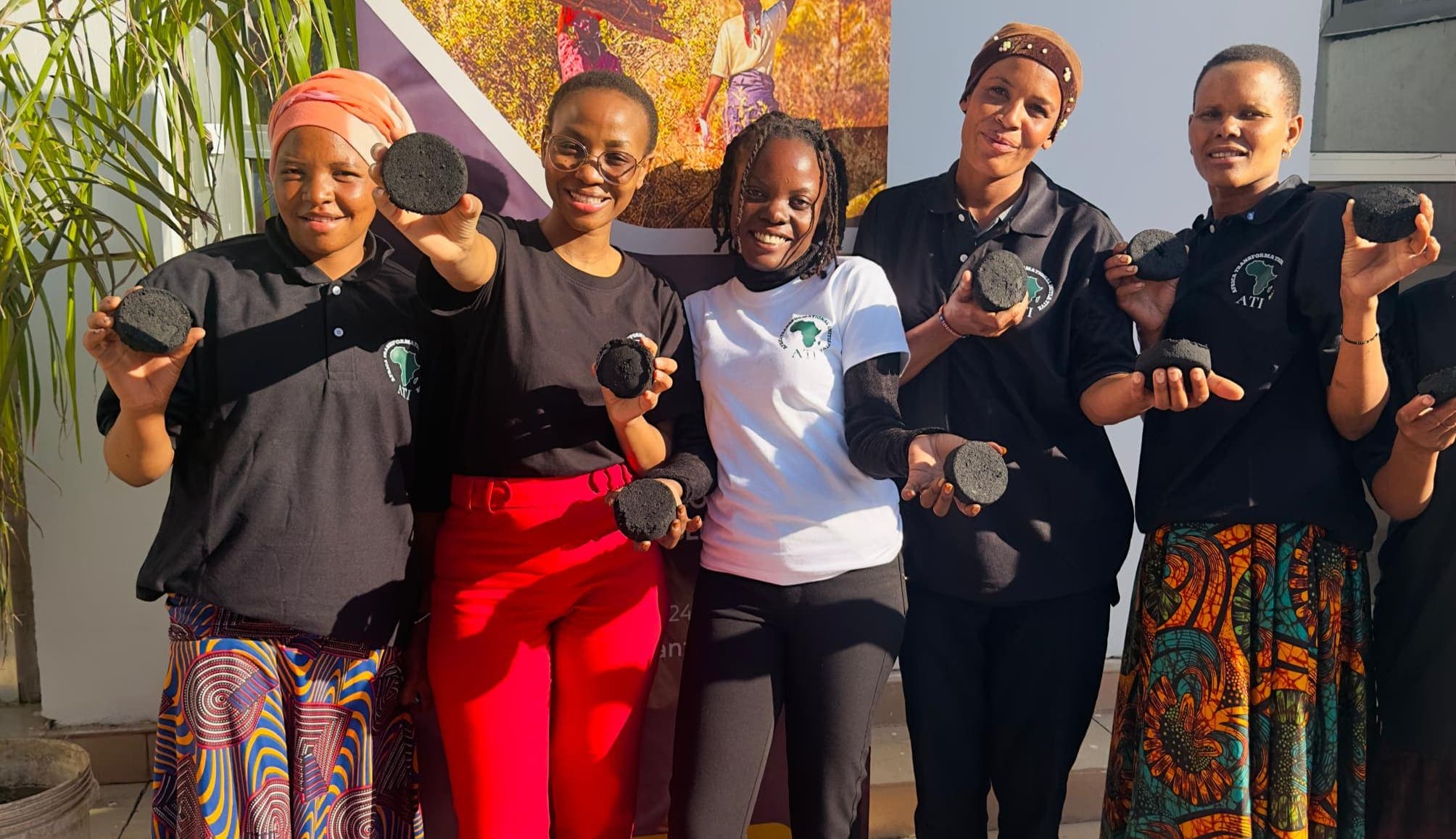
  • Community members with finished eco-briquettes produced from biomass waste
    Ongoing projectConservation & Restoration

    Eco-Briquette Production

    Singida, Tanzania · 2024–present

    Community production of eco-briquettes from biomass waste, offering an alternative fuel source and income stream that reduces pressure on forest and mangrove. Delivered with women from marginalised communities alongside awareness of environmental crime, trafficking and gender-based violence risk.

Source: ATI Impact Report 2025–2026.

Work with ATI

We would like to hear from institutions, funders and practitioners working to strengthen the systems that secure Africa's natural wealth.