AfricaTransformational Initiative
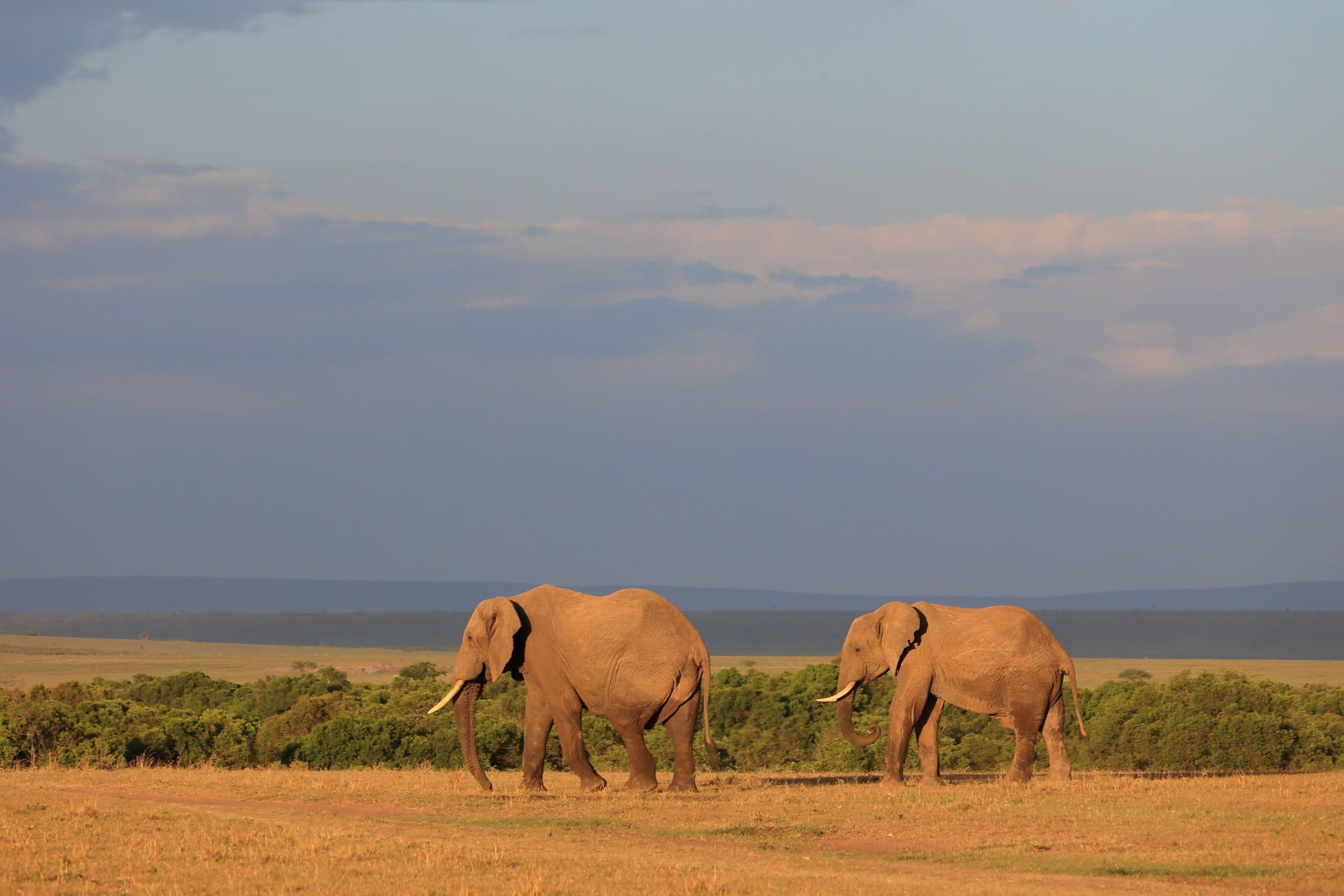
Two elephants walking across an open plain at dusk beneath a distant escarpment

What we do

OurWork

Strengthening the institutions that stand between Africa's wildlife and the networks that traffic it.

Where we focus

ATI is an African organisation working on the enforcement and conservation response to wildlife and environmental crime. That is the centre of our mandate, and it shapes everything else we do.

Around it sit three connected areas: the capacity of the institutions that carry out enforcement, the ecosystems wildlife depends on, and the human protection issues that travel the same corridors as the illegal trade.

Programme areas

Five areas, one mandate


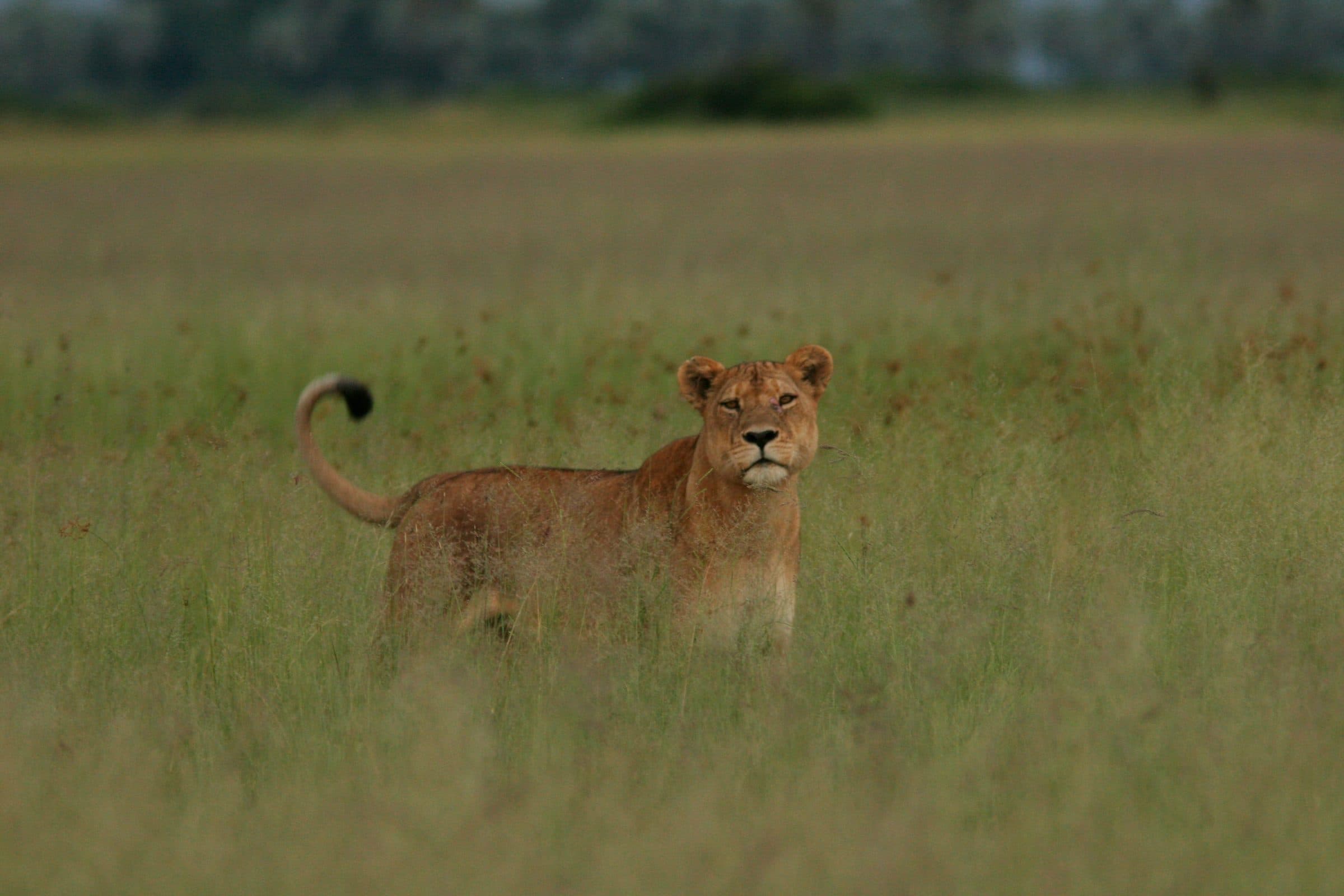
A lioness standing alert in tall grassland, watching the horizon
01

Wildlife & Environmental Crime

Disrupting the networks that threaten Africa's wildlife. Specialized capacity-building, investigative techniques, port security, and cross-border cooperation delivered across East and Southern Africa in partnership with LATF and national enforcement bodies.

Explore this work →
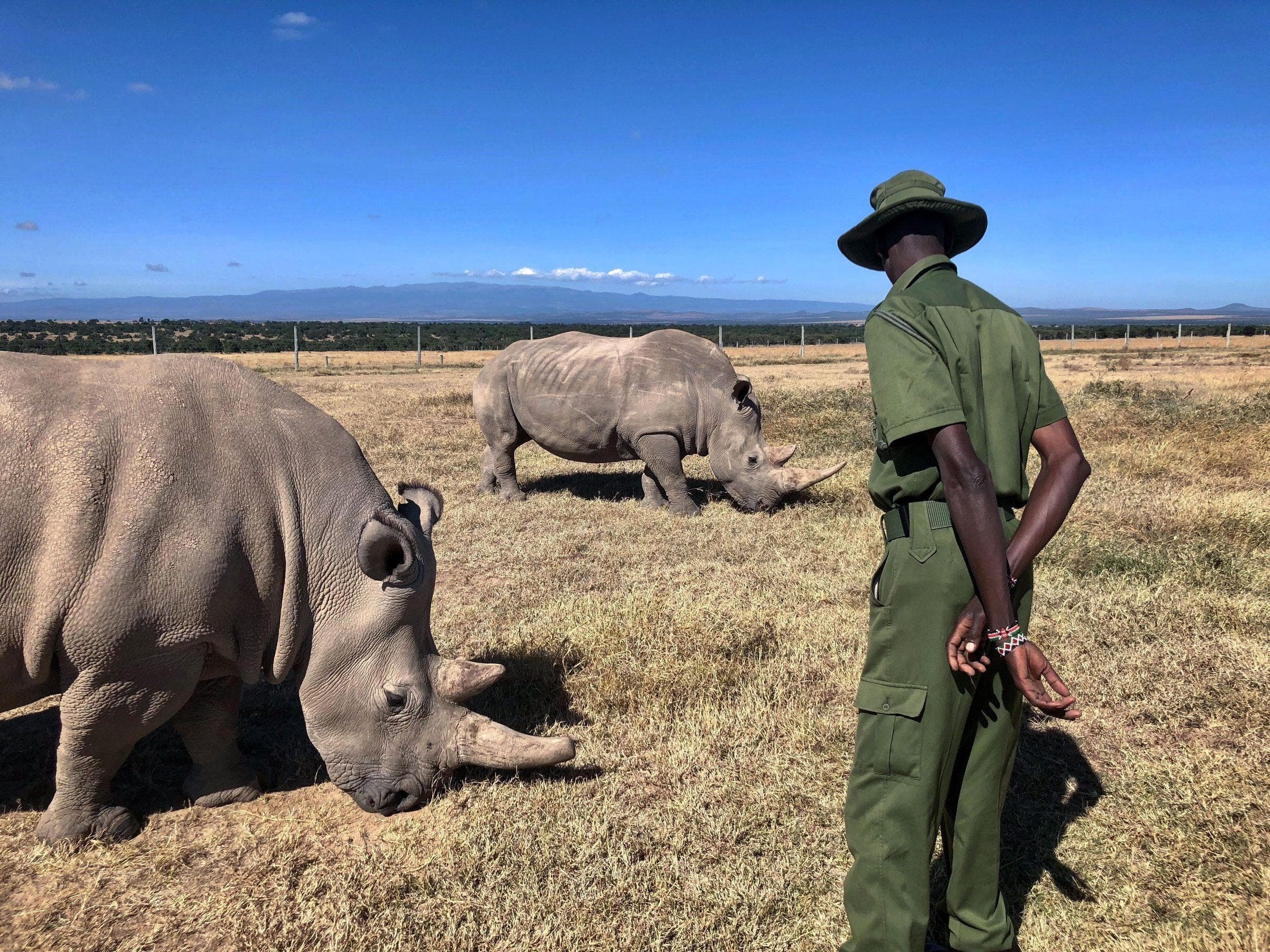
A ranger in uniform standing watch beside two white rhinos grazing on open grassland
02

Law Enforcement Capacity Building

Building capacity for more effective enforcement. Equipping law enforcement officers, judicial practitioners, and port security authorities with practical skills, evidence-gathering protocols, and inter-agency coordination mechanisms.

Explore this work →

Protecting the ecosystems wildlife depends on. Combining institutional policy co-financing with community-led coastal mangrove canopy bio-shield restoration across East African marine corridors.

Explore this work →

Countering exploitation and transnational human trafficking. Strengthening inter-agency awareness, cross-border protection frameworks, and referral systems for vulnerable populations.

Explore this work →
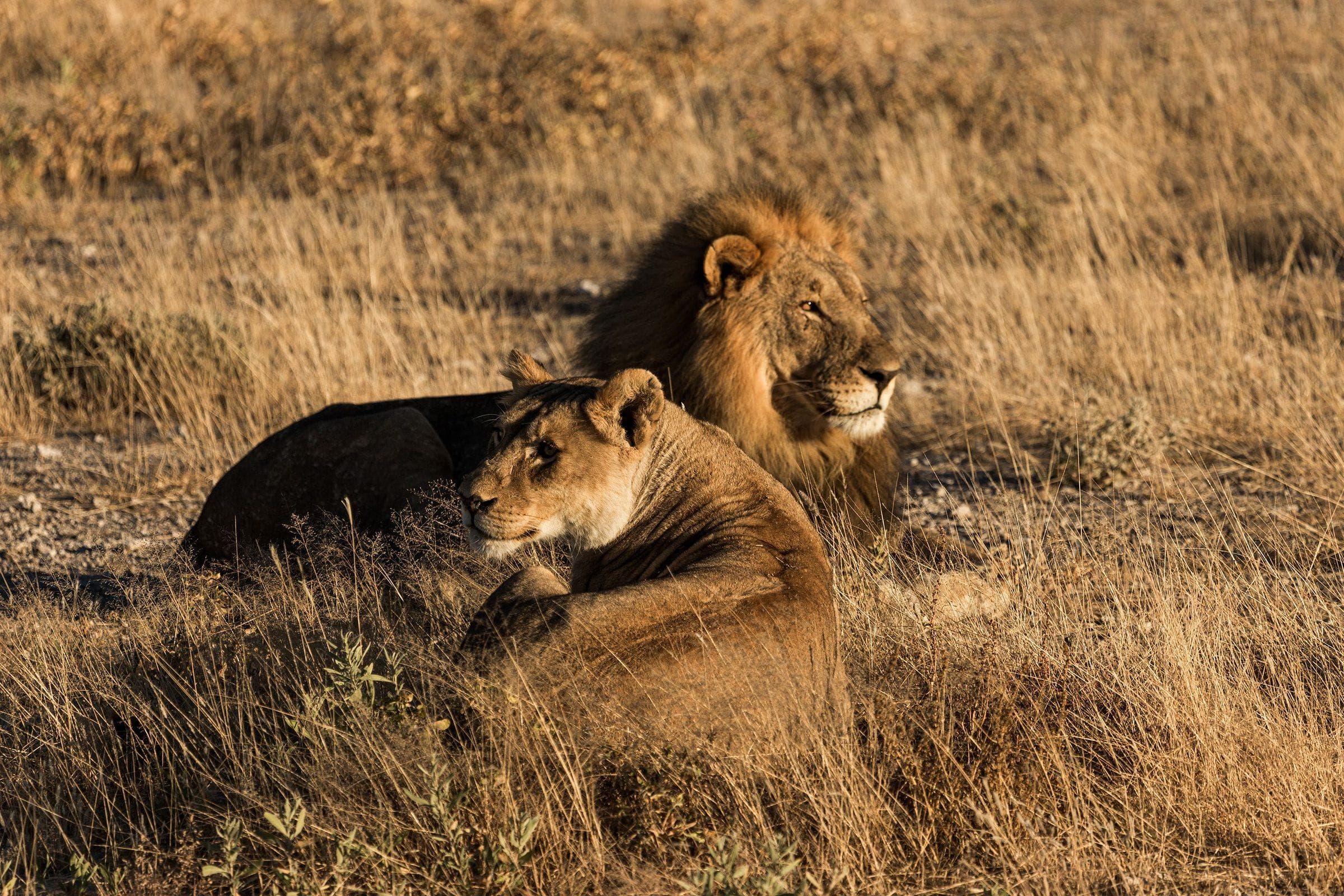
A male lion and lioness resting together in dry golden grassland

Africa's wildlife is not short of advocates. It is short of institutions with the capacity to act.

How the work connects

A trafficking case that begins with a container inspection at a seaport ends, if it ends well, in a courtroom. Between those two points sit intelligence analysis, cross-border information exchange, evidence handling, and prosecutorial case building.

ATI works across that whole continuum rather than at a single point in it, because a gap anywhere along the chain is where cases fail.

The same logic applies outside enforcement. Restoration protects the habitat that enforcement protects the species in. Community programmes reduce the vulnerability that traffickers exploit.

See the work on the ground

ATI's field dispatches cover its training courses, convenings and restoration sites.